Building a Greener Future: Contractors Share Their Commitment to Sustainability
Category: Sustainability Mindset
Sep
12




With state and local energy codes marching unflinchingly towards a zero-carbon future, projects seeking to show deep sustainability commitments by going beyond energy code requirements are faced with fewer compelling design options. This may be especially true for large scale projects or multi-building developments, many of which have unique constraints on space and more limited system options. Efficiency focused electric district energy systems, or low-carbon energy districts, have been seeing more widespread adoption in the Pacific Northwest and can help fill this unique niche.
What does it mean to go first? In celebration of NAIOPWA’s Night of the Stars inaugural “Sustainable Development of the Year” category, here is a closer look at the two nominees, each of whom elected to be on the front edge of sustainable real estate development. Read below to learn more about these two industry-leading endeavors.

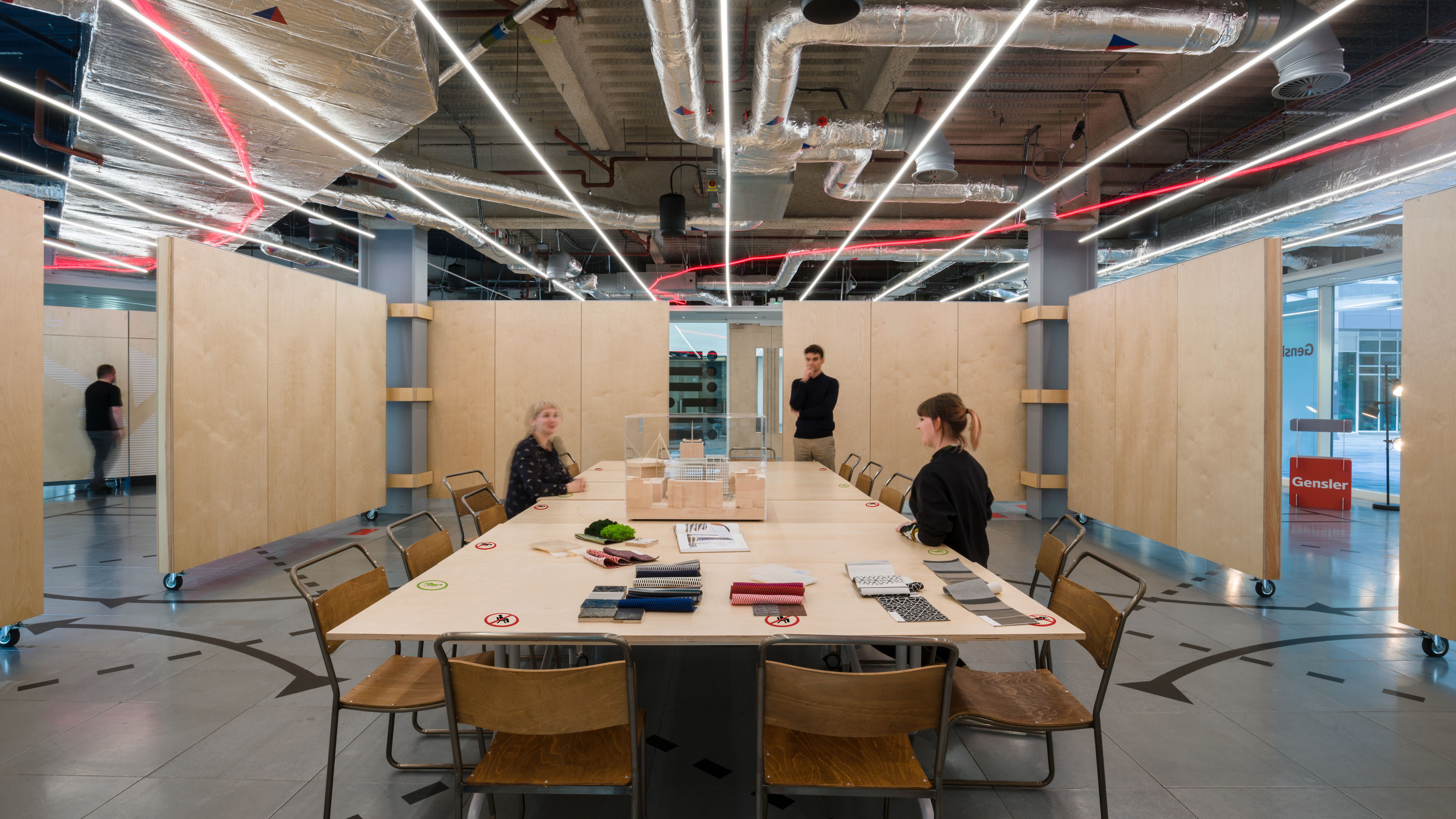 We’ve now reached 2+ months of working from home and have settled—as best as possible—into a new routine that revolves around juggling family, colleagues, and clients, while maintaining our personal health and well-being 24/7. That’s a lot. Some of us may be embracing this new work style while others are still overwhelmed by the daily challenges. But what’s top of mind for us all is what’s looming ahead. What will our new normal look like when our stay-at-home restrictions are lifted and more importantly, what changes can we expect to stick?
One critical aspect of sustainability is resiliency, or how we bounce back from natural disasters. A little preparation can go a long way—but a lack of forethought can quickly lead to very difficult situations throughout a city or region. Remember the 2015 New Yorker article about the next big Cascadia earthquake? When the article was published, it prompted seemingly endless, yet interesting, discussions about the inevitability of a very large earthquake in the region, as well as dozens of follow-up stories giving advice on how to prepare.
It pays to go green!
Sustainability is becoming ever more important in the development of and investment in commercial real estate (CRE) due to several factors:

The Seattle Office of Sustainability and Environment released their latest Energy Benchmarking Analysis Report to update energy performance trends based on data reported to the City from 2014 – 2016. The report highlights key building energy and emissions metrics for the 3,300 benchmarked buildings and reveals that continuously benchmarked buildings have reduced emissions, saved money, and improved performance over time.